Understanding Yum! Brands' Empire
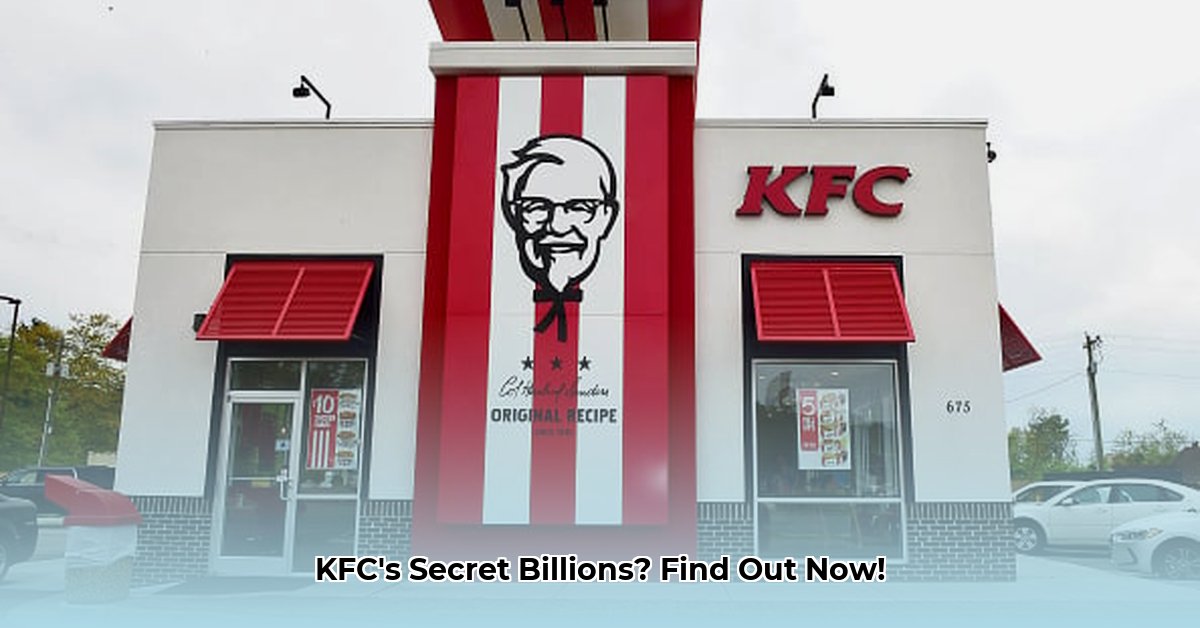
The aroma of crispy fried chicken often evokes a single image: the Colonel. But KFC's value isn't a standalone figure; it's inextricably linked to the global success of its parent company, Yum! Brands. Yum! Brands isn’t just about Kentucky Fried Chicken; it's a fast-food powerhouse, a portfolio of iconic brands including Pizza Hut, Taco Bell, and the more recent addition, Habit Burger Grill. For high-net-worth individuals interested in financial planning, see more information at tax strategies. KFC, however, remains a cornerstone, a brand with global recognition driving a significant portion of Yum!'s overall financial health. In 2024 alone, KFC's brand value soared to a staggering $6.7 billion, a testament to its enduring appeal and market dominance. This article explores KFC's contribution to Yum! Brands' success, addressing the challenges and outlining the strategic planning that lays the foundation for future growth.
KFC's Contribution to Yum! Brands' Value
KFC's success directly translates to Yum! Brands' bottom line. Strong KFC performance fuels overall revenue, profit, and market valuation. While we can't isolate a specific "KFC net worth," its contribution is undeniably substantial. For instance, KFC's impressive brand value significantly contributes to the overall market capitalization of Yum! Brands. Consider the company's 2023 system-wide sales exceeding $60 billion – a figure significantly influenced by KFC's global presence and consistent performance. Understanding Yum! Brands' financial performance is therefore crucial to assessing KFC's true economic impact.
Navigating the Challenges: A Narrative of Success and Adaptation
Yum! Brands' journey is a testament to adaptation and strategic planning. While KFC consistently contributes significantly, the company’s portfolio has faced market fluctuations; Pizza Hut and Taco Bell have experienced varied regional successes. This underscores Yum!'s nimble approach. The fast-food sector is inherently vulnerable to economic shifts; inflation, consumer spending habits, and global economic uncertainty pose ongoing challenges. Yum! mitigates some of this risk through its diverse global network and the franchise model, sharing risk and promoting rapid expansion with reduced financial exposure.
The Future of Yum! Brands: Actionable Intelligence
Yum! Brands' future trajectory is defined by innovation and adaptation. The company prioritizes menu customization to cater to regional preferences, invests heavily in technology (online ordering, automation), and pursues strategic acquisitions (e.g., Habit Burger Grill) to diversify and expand its market reach. Expansion into new international markets presents significant opportunities, yet requires navigating local regulations and cultural nuances. Competition remains fierce, demanding continuous innovation and customer-centric strategies.
Key Strategic Priorities for Yum! Brands:
Enhance Operational Efficiency: Streamline operations, cut costs without compromising quality, and invest in technology to boost accuracy and speed of service.
Targeted Marketing: Employ data-driven marketing strategies, leveraging customer data for personalized promotions and loyalty programs.
Menu Innovation: Regularly introduce new menu items and limited-time offers (LTOs) to meet evolving customer preferences and stimulate demand.
Conclusion: The Enduring Power of Brand Recognition
The "net worth" of KFC is not a solitary figure; it's an integral component of Yum! Brands' overall success. The company's future hinges on strategic planning, adaptation to economic shifts, and a keen understanding of global market dynamics. KFC's enduring brand recognition, coupled with Yum! Brands' innovative strategies, positions the company for continued growth in a dynamic and competitive fast-food landscape. The narrative of KFC and Yum! Brands is more than just financial data; it's a story of brand loyalty, global expansion, and the ongoing evolution of the fast-food industry.